Back to Blog & Insights
Private Label
Private label, OEM or ODM: choosing the right manufacturing model
The commercial and legal differences between private label, OEM and ODM programmes — and how MOQ, tooling and IP ownership change with each.
27 May 20267 min readPrivate Label Desk
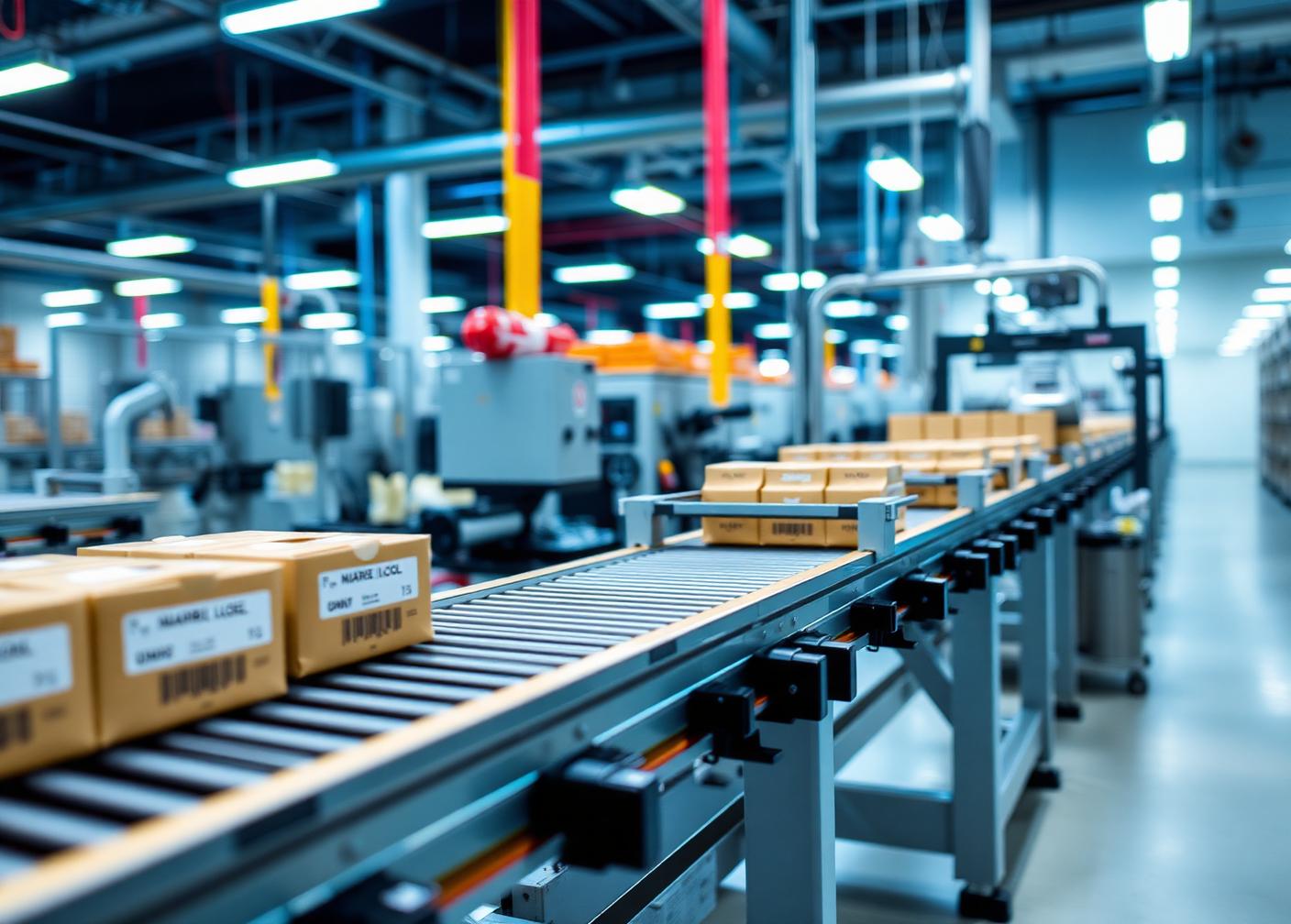
The three models are routinely used interchangeably in enquiries, yet they allocate design ownership, tooling investment and liability very differently.
The three models in commercial terms
- Private label — an existing product produced under your brand, packaging and labelling. Fastest route to market, lowest tooling cost, least differentiation.
- OEM — the factory produces to your design and specification. You own the design and usually the tooling; MOQs and lead times rise.
- ODM — the factory designs and you commission and brand it. Development cost is shared, but IP ownership must be contracted explicitly.
Where programmes usually fail
Almost always at the transition from approved sample to first mass-production run: unrecorded specification changes, packaging artwork that fails destination labelling rules, or a certification that covers the factory but not your SKU.
From specification to first production run — programme timeline
Video briefing — embed placeholder (YouTube / Vimeo) · vimeo
The documentation set to insist on
- Golden sample sealed and retained by both parties
- Technical specification with tolerance table, revision-controlled
- Artwork approval with destination-market labelling review
- Certification issued in your brand and SKU where required
- Tooling ownership and transfer clause
Own the specification, own the tooling, own the certification. Everything else in a private label programme is negotiable.